Ceramic vs Vitrified Tiles: Complete 2026 Comparison Guide
Ceramic vs Vitrified Tiles: Complete 2026 Comparison Guide
Florzy Editorial • 18 Feb 2026
Ceramic vs vitrified tiles remains the top flooring debate for Indian homes. Ceramic tiles offer affordability and wall versatility while vitrified tiles deliver superior durability and water resistance for high-traffic floors. This 2026 guide compares composition, performance, pricing, and ideal applications.
What Are Ceramic Tiles?
Ceramic tiles consist of clay, sand, and water molded and fired at 1000°C. A protective glaze adds color, pattern, and stain resistance. Available in matte, glossy, and textured finishes, ceramics suit walls, low-traffic floors, and decorative backsplashes.
Key traits:
- Water absorption: 3-5%
- Thickness: 8-10mm
- PEI rating: 2-3 (light residential use)
- Price: ₹40-80/sqft
What Are Vitrified Tiles?
Vitrified tiles blend 60% silica, 40% clay, quartz, and feldspar fired at 1400°C. The vitrification process creates glass-like density with minimal porosity. Full-body, double-charge, and glazed variants mimic marble, wood, and stone.
Key traits:
- Water absorption: <0.5%
- Thickness: 9-12mm
- PEI rating: 3-5 (moderate to heavy use)
- Price: ₹60-150/sqft
Ceramic vs Vitrified: Head-to-Head Comparison
Manufacturing Process Differences
Ceramic production pulverizes clay-water mixture, shapes it, dries, and fires at lower temperatures. Glazing occurs post-firing for aesthetics and protection. Red/brown body visible on edges.
Vitrified tiles mix silica-clay at high pressure, dry, and fire at extreme temperatures creating glassy fusion. No/minimal glaze needed. Light-colored uniform body throughout.
Water Absorption & Usage Applications
Ceramic's 3-5% absorption suits dry interiors like bedrooms and walls. Avoid bathrooms/showers without sealing.
Vitrified's <0.5% absorption handles kitchens, bathrooms, balconies, and outdoors perfectly. Monsoon-proof for Indian climates.
Best Applications:
Durability & PEI Rating Breakdown
PEI measures wear resistance:
- PEI 0-1 (Ceramic): Walls only
- PEI 2-3 (Ceramic): Low traffic bedrooms
- PEI 3-4 (Vitrified): Residential floors
- PEI 5 (Vitrified): Commercial heavy traffic
Vitrified lasts 2x longer in high-use areas. Ceramics chip under heavy furniture impacts.
Stain & Scratch Resistance Reality
Ceramic glaze resists scratches but grout stains easily. Unglazed edges absorb spills permanently.
Vitrified's dense body repels stains. Full-body tiles maintain pattern if surface scratches. Glazed vitrified combines both benefits.
Stain Test Results:
- Coffee on ceramic grout: Permanent
- Coffee on vitrified: Wipes clean
- Paint spill: Both clean easily with proper method
Anti-Slip Performance
Ceramic's coarse texture delivers natural R10-R11 grip. Ideal bathrooms despite absorption concerns.
Vitrified glossy surfaces slip (R9). Matt and textured variants achieve R10-R12 matching ceramics.
Pricing & Value Analysis
Ceramics save 20-40% upfront but require replacement sooner. Vitrified higher initial cost yields 15-20 year lifespan.
1000sqft Living Room Example:
Vitrified cheaper long-term.
Maintenance & Cleaning Guide
Ceramic:
- Daily: Damp mop
- Weekly: Grout bleach solution
- Annual: Grout resealing
Vitrified:
- Daily: Microfiber mop
- Weekly: pH-neutral cleaner
- Annual: Polish optional
Installation Differences
Both use C2 adhesive. Ceramic lighter (18kg/sqm vs 22kg/sqm vitrified). Vitrified rectified edges (2mm joints) vs ceramic 3-5mm.
Common Mistakes:
- Ceramic in wet areas without sealant
- Glossy vitrified bathrooms without anti-slip
- Wrong adhesive (use flexible C2TE S1)
Design & Aesthetic Options 2026
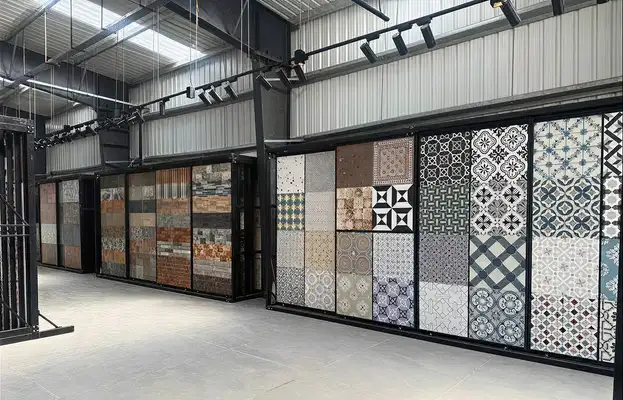
Ceramic: Matte rustic, artistic patterns, hexagon mosaics.
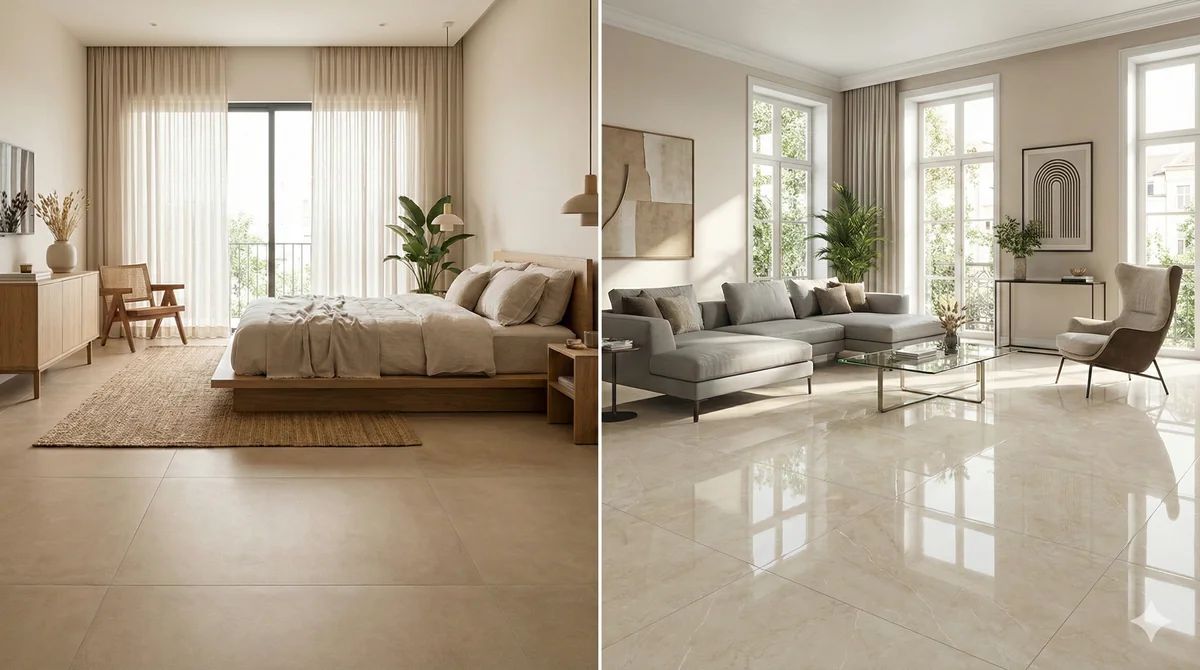
Vitrified: Marble/wood digital prints, large formats (1200x2400mm), 3D textures.
Both offer anti-bacterial nano-glaze variants.
Which Should You Choose?
Choose Ceramic If:
- Budget under ₹80/sqft
- Walls, bedrooms, decorative areas
- Textured anti-slip priority
Choose Vitrified If:
- Floors, kitchens, bathrooms
- Long-term 15+ year investment
- Marble/wood luxury looks
Hybrid Approach: Vitrified floors + ceramic walls maximizes value.
FAQ: Ceramic vs Vitrified Tiles
Are vitrified tiles waterproof?
Nearly—<0.5% absorption prevents water damage.
Can ceramic go in bathrooms?
Yes with sealant, but vitrified superior.
Which scratches less?
Vitrified due to harder body.
Vitrified or ceramic for balcony?
Vitrified anti-slip variants only.
Single tile replacement easier?
Ceramic due to grout flexibility.
Ready to choose? Visit
for ceramic and vitrified collections. Florzy offers 10-year warranty, free design consultation, and nationwide delivery.
Need a Hand?
Not sure what to choose? Share your details and our flooring expert will get in touch to guide you.